Blueberries Recall Expanded at Publix After Frozen GreenWise Berries Were Tied to E. coli
In this story
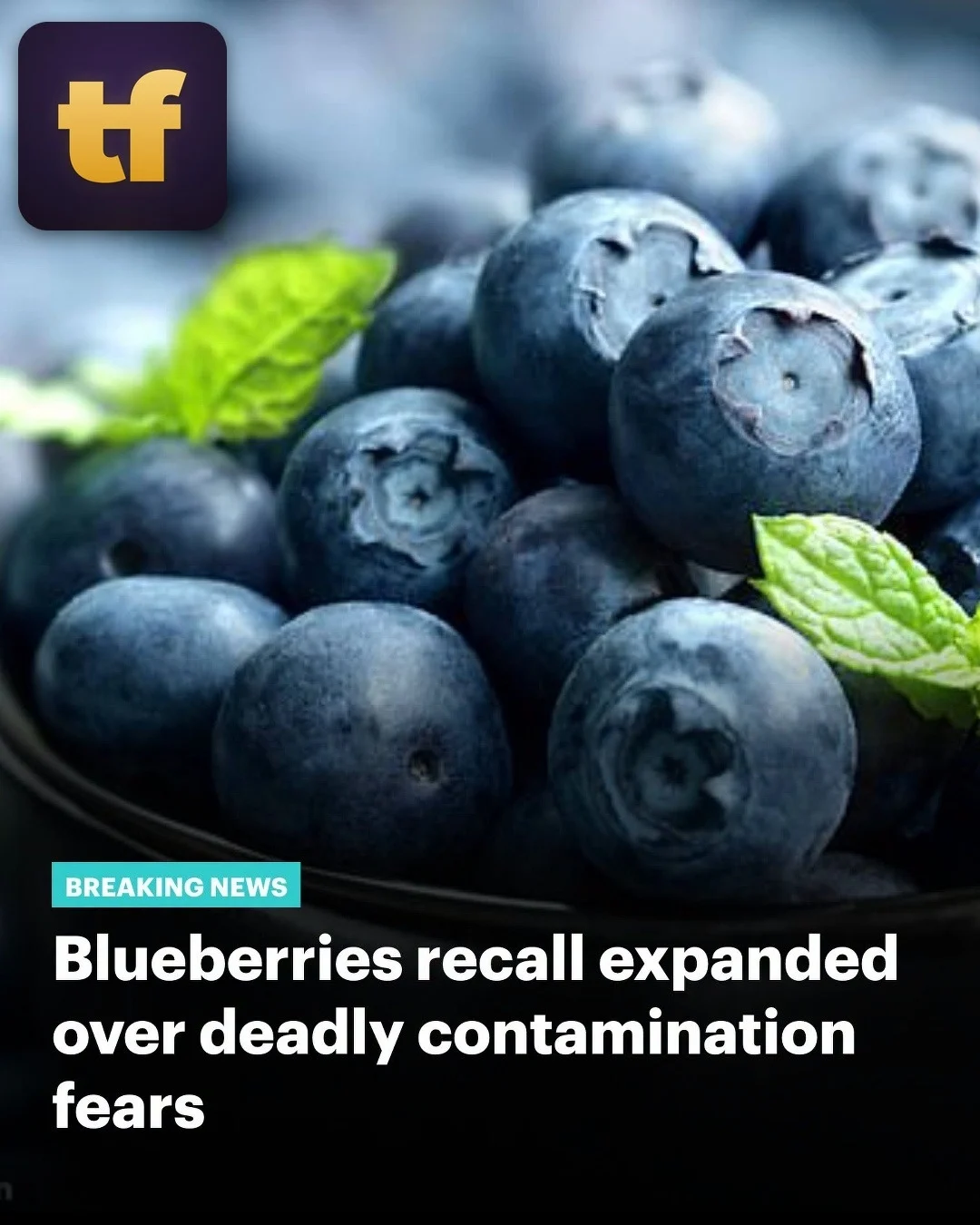
A blueberries recall at Publix stores grew in late July 2026, after tests tied frozen GreenWise berries to E. coli. The Daily Mail reported the expansion on July 31, 2026, and updated the story the next day. The graphic that spread with the report carried a blunt warning: do not eat the fruit. At the time, the paper said 12 people had gotten sick and four needed hospital care. It also said reporters had found no deaths.
How Officials Expanded the Blueberries Recall
Earlier in July, a Chile-based grower, Frutas y Hortalizas del Sur S.A., recalled GreenWise Organic frozen blueberries. Tests had given a presumptive positive result for E. coli O145:H28. Those first bags were 10-ounce packs sold at Publix in eight states: Alabama, Florida, Georgia, Kentucky, North Carolina, South Carolina, Tennessee, and Virginia.
Then Publix went further. The chain recalled all lots of GreenWise Organic Whole Blueberries and Whole Mixed Berries sold in the same eight states. Publix said it did so out of an abundance of caution. FDA officials said the chain had already stopped sales of the berries at the end of June 2026, and had pulled them from shelves.
Officials told shoppers who still had the fruit at home not to eat it. They could throw it out, or return it to Publix for a full refund. The expanded list included 10-ounce and 48-ounce bags of whole blueberries, and the same sizes of whole mixed berries.
What Health Officials Said Then, and Later
In the July 31 report, the FDA figures were 12 illnesses and four hospitalizations, with no deaths. The sick people lived in Florida and Georgia. Illness onset ranged from May 11 to June 5. Of nine people interviewed, seven said they had eaten frozen blueberries. Five of them named GreenWise Organic Whole Blueberries from Publix.
E. coli can cause severe stomach cramps, diarrhea that may be bloody, and vomiting. Most healthy people recover within a week. But the strain in this recall is a Shiga toxin-producing type. It can lead to a serious kidney complication called hemolytic uremic syndrome, or HUS. Young children, older adults, and people with weaker immune systems face a higher risk.
The bacteria can survive in a freezer, then start growing again once the food thaws. So frozen fruit is not automatically safe. Because of that, leftover bags still matter months later.
Later official updates changed the counts. A CDC outbreak page dated October 5, 2026, said investigators closed the outbreak on September 21. By then, the tally was 17 cases and six hospitalizations in two states. There were still no deaths. The CDC also said additional recalls came after that investigation closed. Recalled berries may have best-by dates through 2028. If you still have a recalled bag, the advice is the same: do not eat it.
What Shoppers Should Still Check
The original Daily Mail headline spoke of deadly contamination fears. That language tracks the risk of severe illness, especially HUS. It does not mean this outbreak produced confirmed deaths. As of the later CDC summary, it had not.
The blueberry image that traveled with the story is a stock-style photo of fresh fruit, not a picture of the recalled bags. The products in this blueberries recall were frozen GreenWise Organic items sold at Publix in those eight states. Officials later named other supermarket berry mixes from the same grower, including a Walmart product, in separate 2026 recalls. Those later actions relate to the same grower, but they are not the same posting as this expanded Publix action.
If a bag in your freezer matches a recall notice, do not taste it to check. Throw it out, or take it back to the store. Then clean any surfaces it touched. When you are unsure, compare the package to the FDA or CDC lists, rather than to a headline alone.
Related: Writer Who Predicted Covid Seven Years Early Names His Pick for the Next ‘Big One’
Source: Emily Joshu Sterne, Daily Mail, July 31, 2026, updated August 1, 2026. See the Daily Mail report. Later case counts are from the CDC outbreak page dated October 5, 2026, and the FDA recall notice.