Should You Keep Cash at Home? What the UK’s Be Ready Advice Really Says
In this story
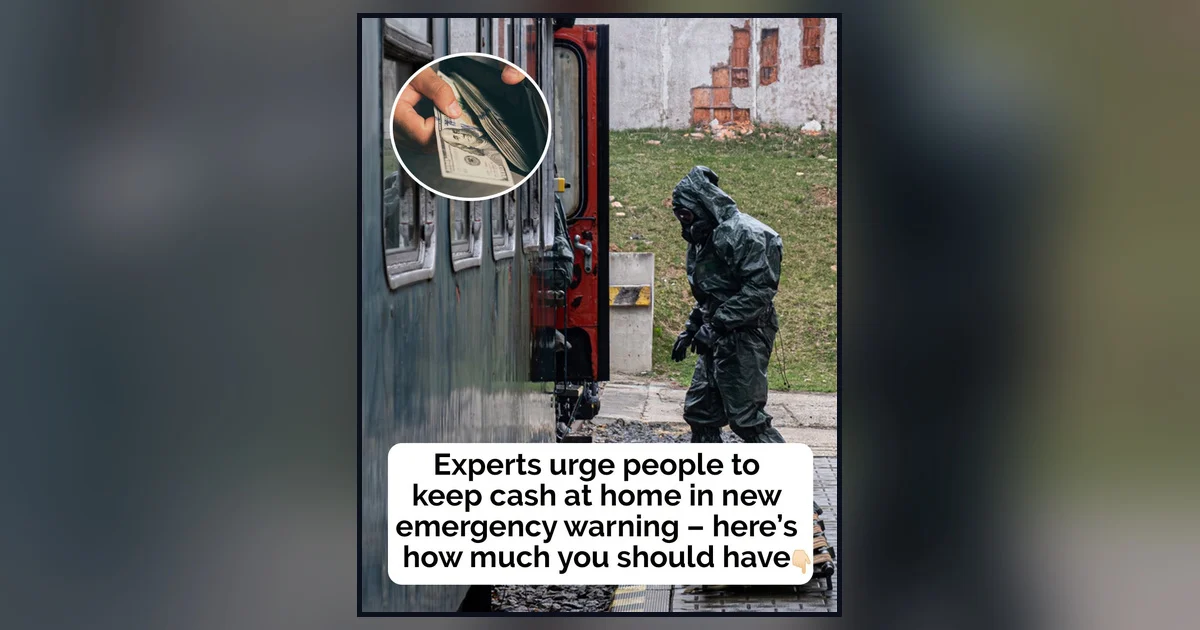
A viral post says experts want people to keep cash at home after a “new emergency warning.” It even shows a person in a hazmat suit. The real story is calmer. The advice comes from the UK government’s Be Ready campaign, and it does not warn of any specific threat. Also, it sets no fixed amount of money. Instead, it says the right amount depends on what your household needs.
Who Actually Gave the Cash at Home Advice
The UK government launched the Be Ready campaign on October 22, 2026, according to a GOV.UK press release. It calls the advice “the first stage of a three-year campaign” to help households prepare for events such as severe weather. These events can cut power, water, phone signal and the internet for a while.
The release also explains why the campaign exists now. It points to storms last winter and wildfires this summer. In addition, it says the UK is joining European peers that already run similar campaigns. For example, France, Ireland and the Netherlands also tell people to be ready for three days of disruption.
Security Minister Dan Jarvis said, “Those who can follow this advice should follow this advice.” He added that simple steps can “reduce pressure on emergency services, helping them prioritise people who need more support in an emergency.”
How Much Cash at Home Is Enough?
This is where the viral post goes too far. Its headline promises to say “how much you should have,” but the government gives no figure. The Be Ready website lists “Cash (mix of coins and notes) and cards” as one item to have ready, “in case electronic payments or ATMs are disrupted.”
Then it adds one clear line. “The amount of cash you should keep depends on your family’s specific needs for essentials.” So there is no official sum in pounds, dollars or any other currency. For instance, a family with a baby or a pet may need more cash at home than a single adult.
The reason for cash at home is simple. During a long power cut, card readers and cash machines may stop working. In that case, a few notes and coins could help you buy food, fuel or medicine until services return.
No Hazmat Threat Behind the Advice
The image with the post shows a figure in a protective suit by a train. However, nothing in the official advice mentions a chemical attack, a gas leak or any new danger. The Be Ready home page simply says, “From severe weather to cyber attacks, emergencies can disrupt the services you rely on.”
Some of the alarm may come from a separate report. Earlier in November, the Daily Express wrote about scripts the Department of Health and Social Care drafted for emergency radio. These scripts would only be used in a rare “Black Sky event,” such as a long national power cut. Still, that is a plan for a worst case, not a new warning to the public.
What Else Is on the Be Ready Checklist
Cash is only one line on the government’s printable checklist. The list also includes the following items for three days:
Bottled water, at “3 litres per person per day for drinking.” Non-perishable food that needs no fridge or cooking, such as tinned fish or dried fruit. A torch with spare batteries, plus blankets and warm clothes. A battery or wind-up FM radio and a charged power bank. Printed copies of IDs and documents, important phone numbers and a list of regular medication. A first aid kit, baby formula and nappies, and pet food if you need them.
The site also suggests free steps. For instance, people who qualify can join the Priority Services Register, so energy and water companies know they need extra help during an outage.
Build Your Kit Slowly, Says the Government
Importantly, the campaign stresses that nobody has to buy everything at once. “You don’t need to do it all at once,” the checklist says. “Build up your readiness gradually over time by taking it step by step, and picking up an extra item or two when you can.”
The government also notes that it has published this kind of advice since May 2024, and much of it has not changed. So the story reported by Newsner is real, but it is not a sudden emergency. It is routine advice to keep some cash at home, along with water, food and a radio, in case everyday services stop for a few days.