This Little Girl Grew Up to Be One of Britain’s Most Hated Women — The Story of Myra Hindley
In this story
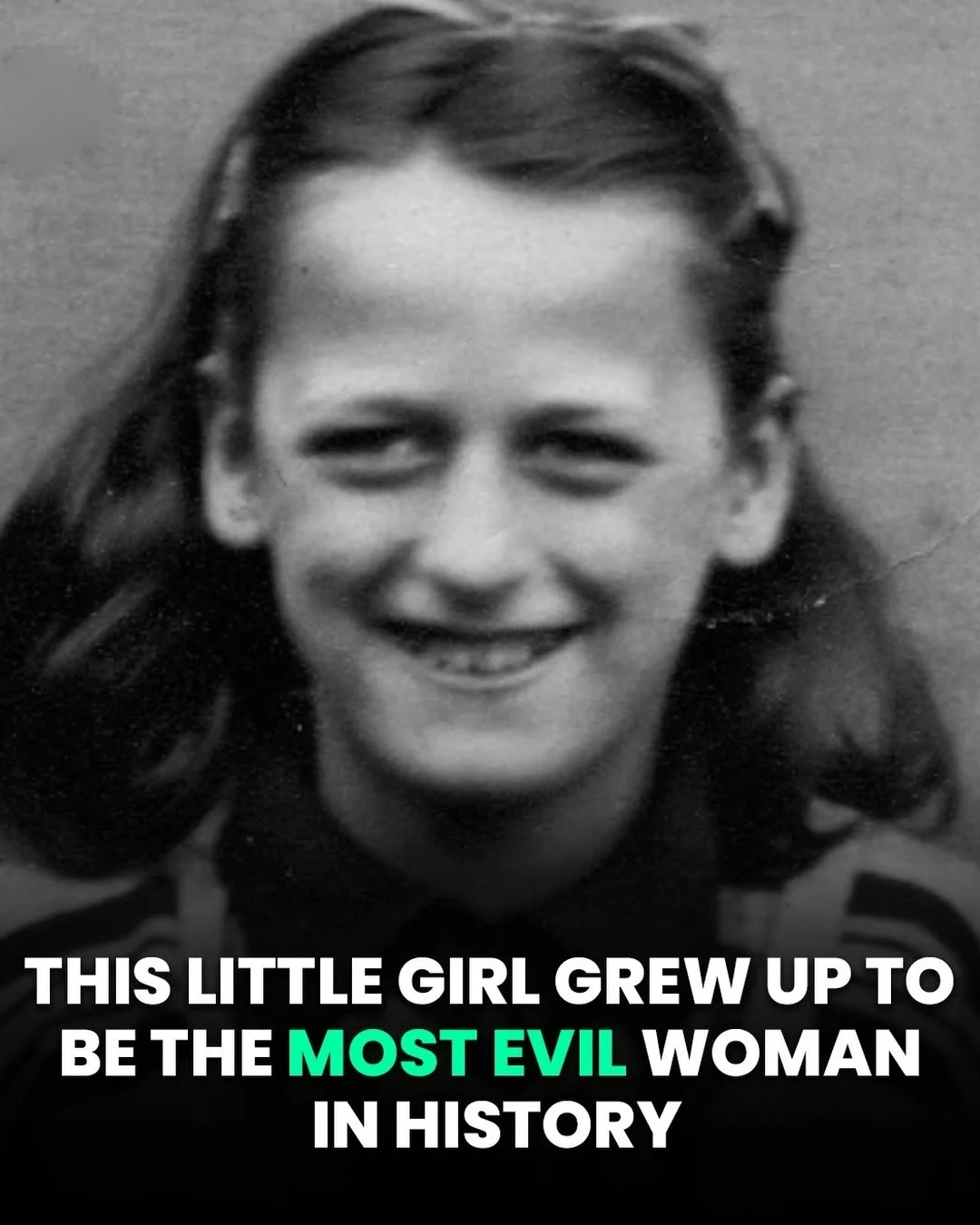
The little girl in this old photo was Myra Hindley, who later became one of the most hated figures in British history. This week marks 24 years since her death on 15 November 2002.
Who Was Myra Hindley?
Myra Hindley was born on 23 July 1942 in Gorton, a district of Manchester. Her father was later disabled in an accident at work, and her mother worked as a machinist in a local factory.
By most accounts, she grew up as an unremarkable, quiet girl. After leaving school, she took a clerical job at Millwards Chemical Merchants. There she met a stock clerk named Ian Brady, and that meeting changed everything.
The Moors Murders
Between 1963 and 1965, five young people were killed in the Manchester area: Pauline Reade, 16, John Kilbride, 12, Keith Bennett, 12, Lesley Ann Downey, 10, and Edward Evans, 17. The crimes became known as the Moors murders.
In 1966, Hindley and Brady were tried at Chester Assizes. Both received life sentences. At the time, Hindley was convicted of two murders, while Brady was convicted of three.
Years later, she admitted her part in the other killings too. In the words of The Guardian’s obituary, her crime was to lure the children who became Brady’s victims.
A Face the Public Never Forgot
Meanwhile, a police photograph of Hindley from 1966 became one of the best-known images in British crime history. Her bleached hair and fixed stare came to stand for the whole case.
For decades, some newspapers used the word “evil” whenever they printed her name. In that way, Hindley stayed a hate figure even among people too young to remember her trial.
Many of the victims’ relatives never forgave her. For them, keeping her in prison was a matter of justice.
Myra Hindley in Prison and Her Death
Hindley’s trial judge suggested a 25-year tariff, or minimum term. However, the home secretary later raised it to 30 years, and in 1997 another home secretary made it a whole-life term.
In prison, she earned an Open University degree and returned to the Catholic faith of her youth. Also, in 1987, after 21 years of silence, she agreed to help the search for victims whose bodies had never been found.
Even so, parole was never granted. Hindley died in 2002 at the age of 60.
Her case is still debated today. Some people argue about whether public opinion should shape parole decisions. Above all, the story is remembered for the lives that were lost. The families of those victims lived with that loss for the rest of their lives.
Sources: The Guardian obituary of Myra Hindley.
Related: I Adopted a Girl 12 Years Ago — Yesterday, She Gave Me an Envelope Her Father Had Left for Her